Front desk work exists in every industry — whether you hire for it or not.
These are the questions small businesses answer every day — often without staff, systems, or coverage.
Why this page exists
This page documents the routine front desk workload behind common customer questions, from pricing and availability to appointments, service areas, and walk-in requests.
Each industry example below shows the kind of repetitive labor Vibechat is designed to absorb so owners and staff can spend less time answering the same questions and more time doing paid work.
Phase 1 is US home services, and these are examples rather than a list of who this is for. Any business under twenty people with a web or social presence can have a front desk, at our address or at its own.
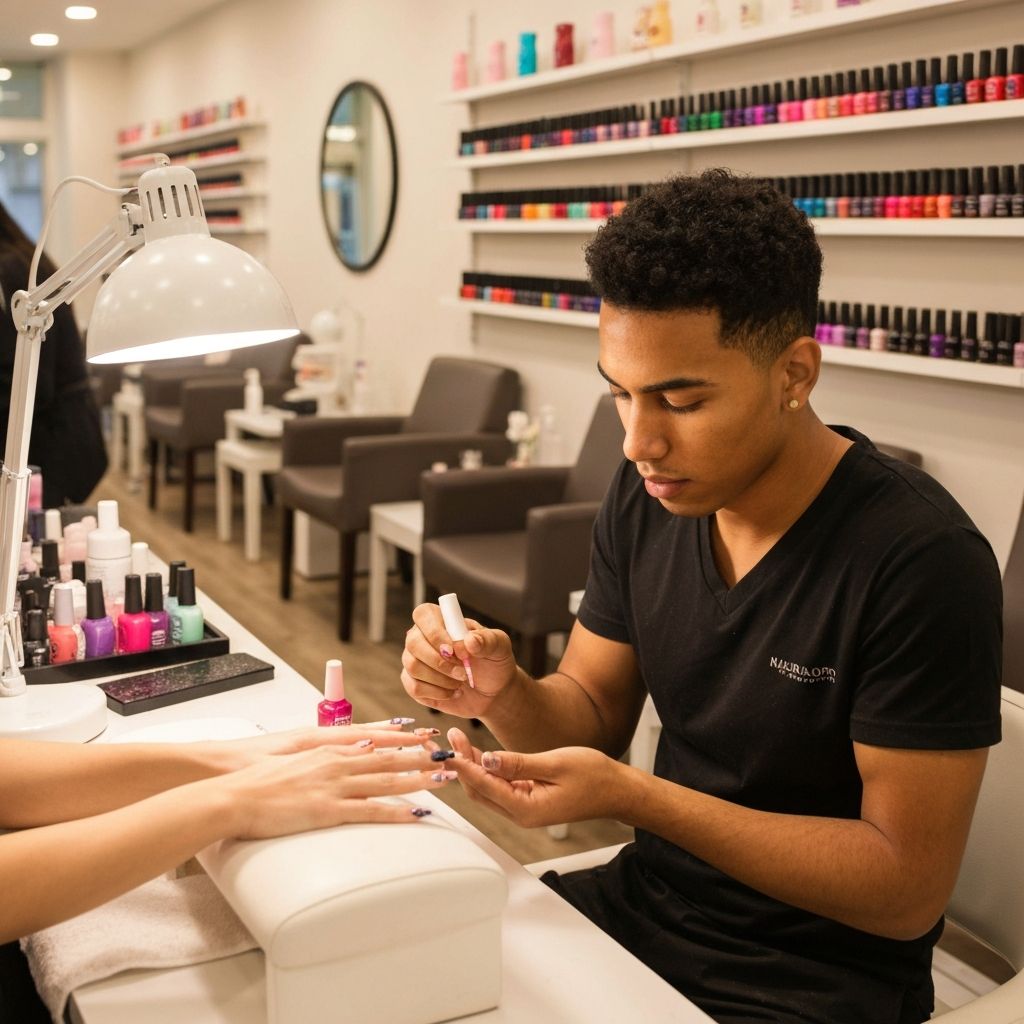
Nail Salon
Walk-ins and booking, mostly after you close
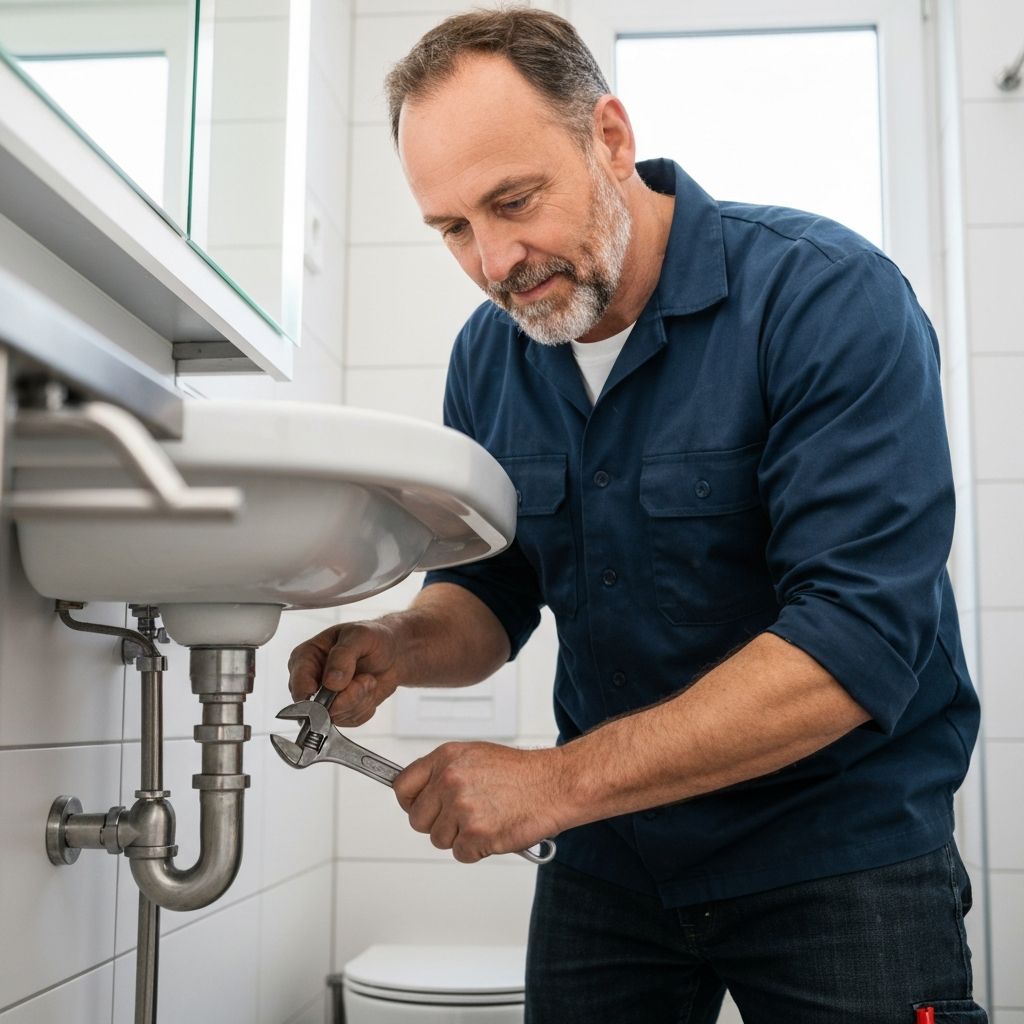
Plumber
Availability and estimates, mostly while you are on a job

Consultant
Scheduling and scope, mostly when you are with a client
Every one of these cost you something to create.
The ads, the signage, the reviews, the work that got talked about. All of it exists to make someone contact you. When the question arrives and nobody answers, that spending is what was lost, not the question.
- Are you open right now?
- How much does a mani-pedi cost?
- Do you have time for a walk-in?
- Where is your salon located?
For a business under twenty people, the busiest hours are exactly when nobody can stop to answer.
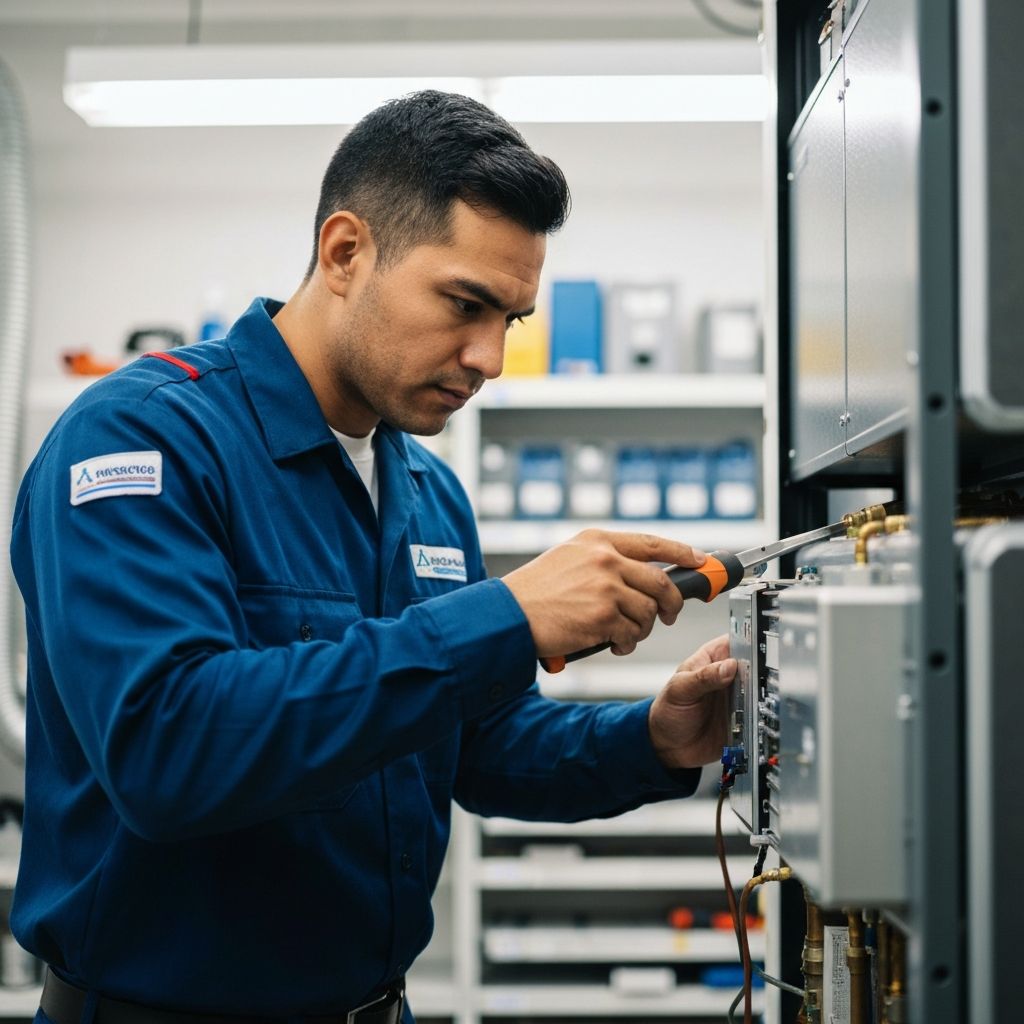
HVAC
Emergency repair and quotes, mostly at the worst hour
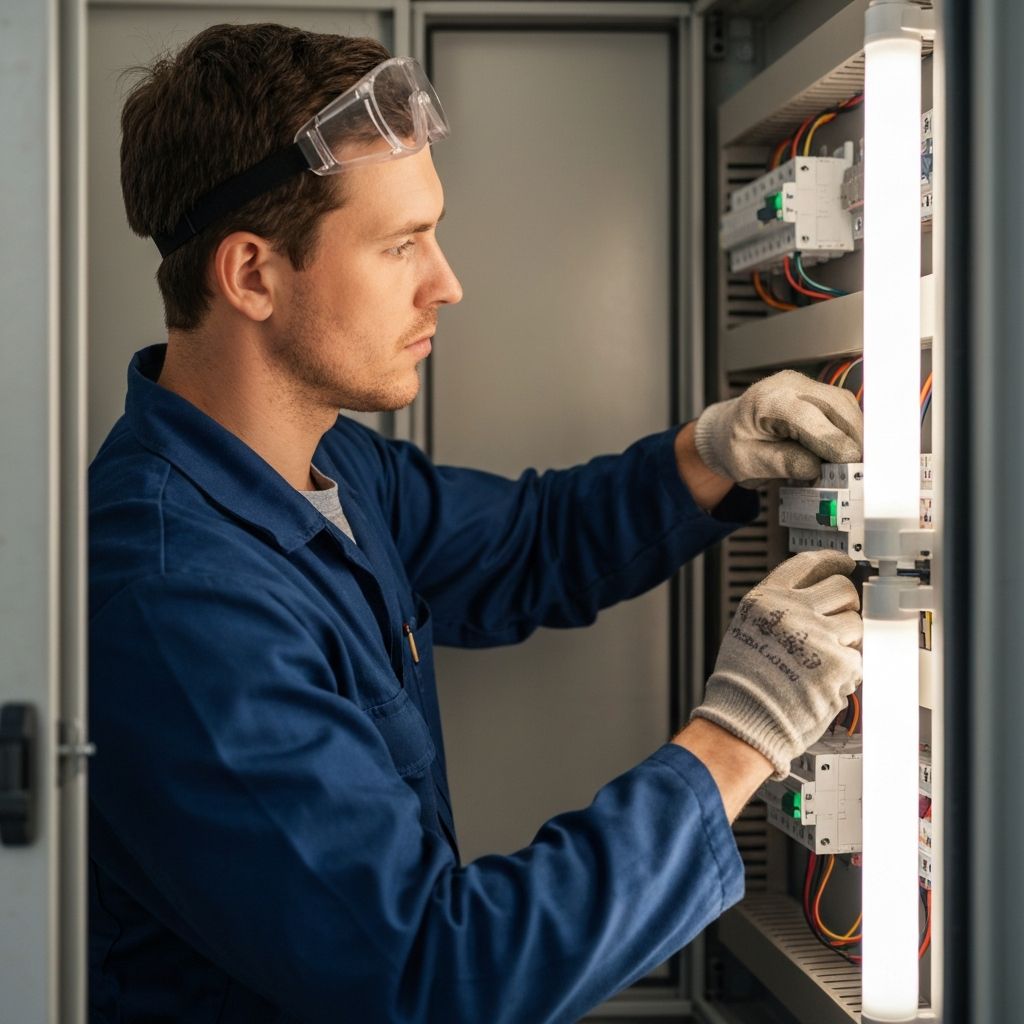
Electrician
Rates and emergencies, mostly when your hands are full
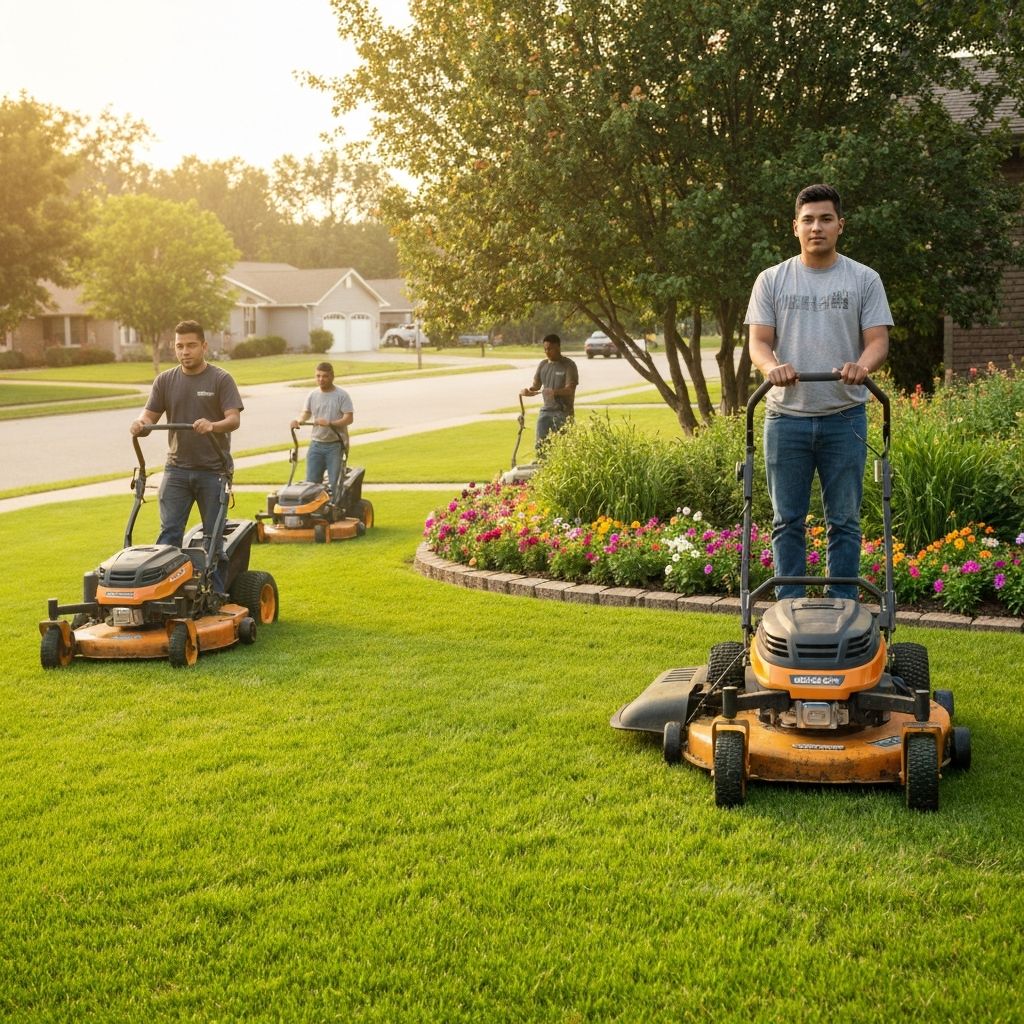
Landscaping
Quotes and scheduling, mostly while you are out on a property
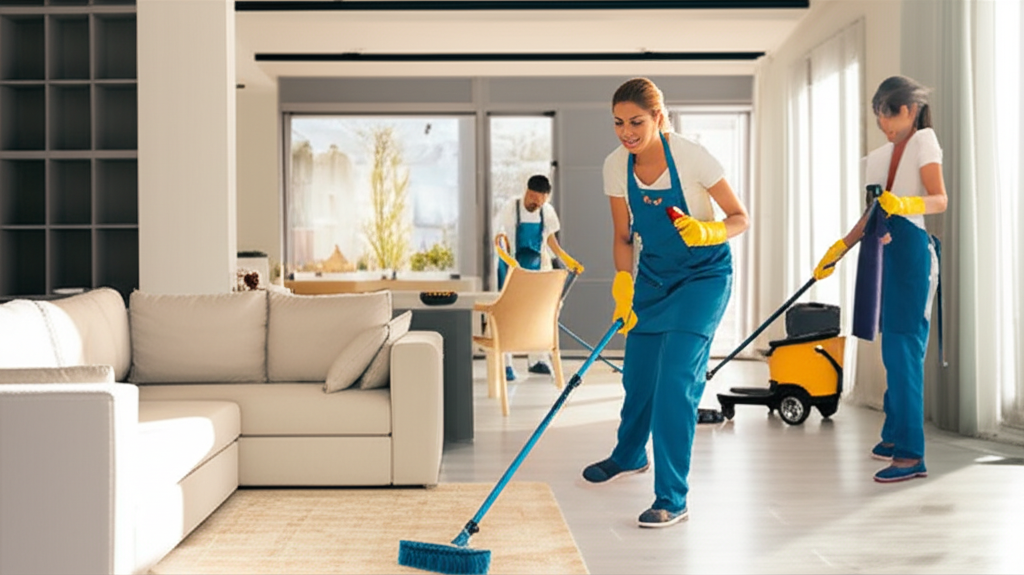
Cleaning Service
Quotes and availability, mostly while you are mid-job

Moving Company
Quotes and dates, mostly in the evening

Auto Repair
Appointments and quotes, mostly while you are under a car
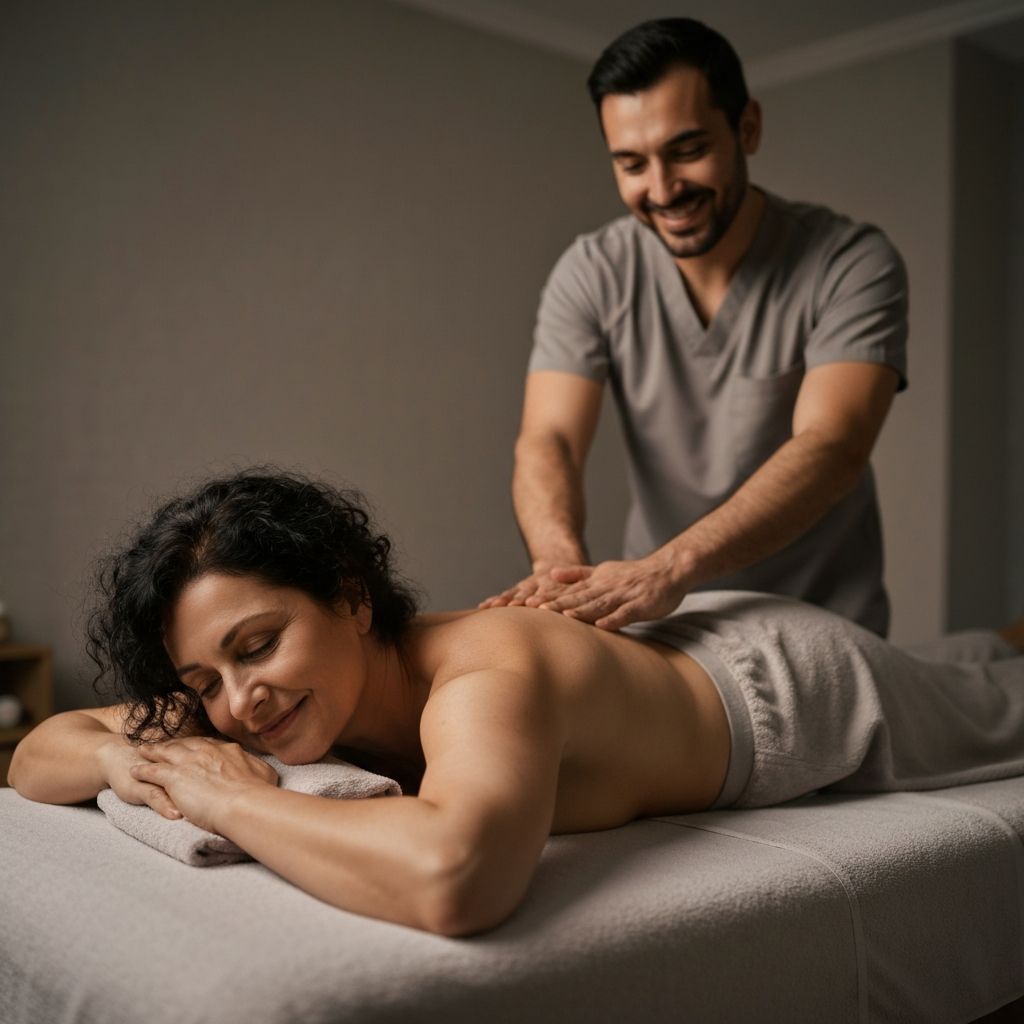
Wellness Practice
Scheduling and insurance, mostly between sessions

Dentist Office
Scheduling and insurance, mostly after the desk closes
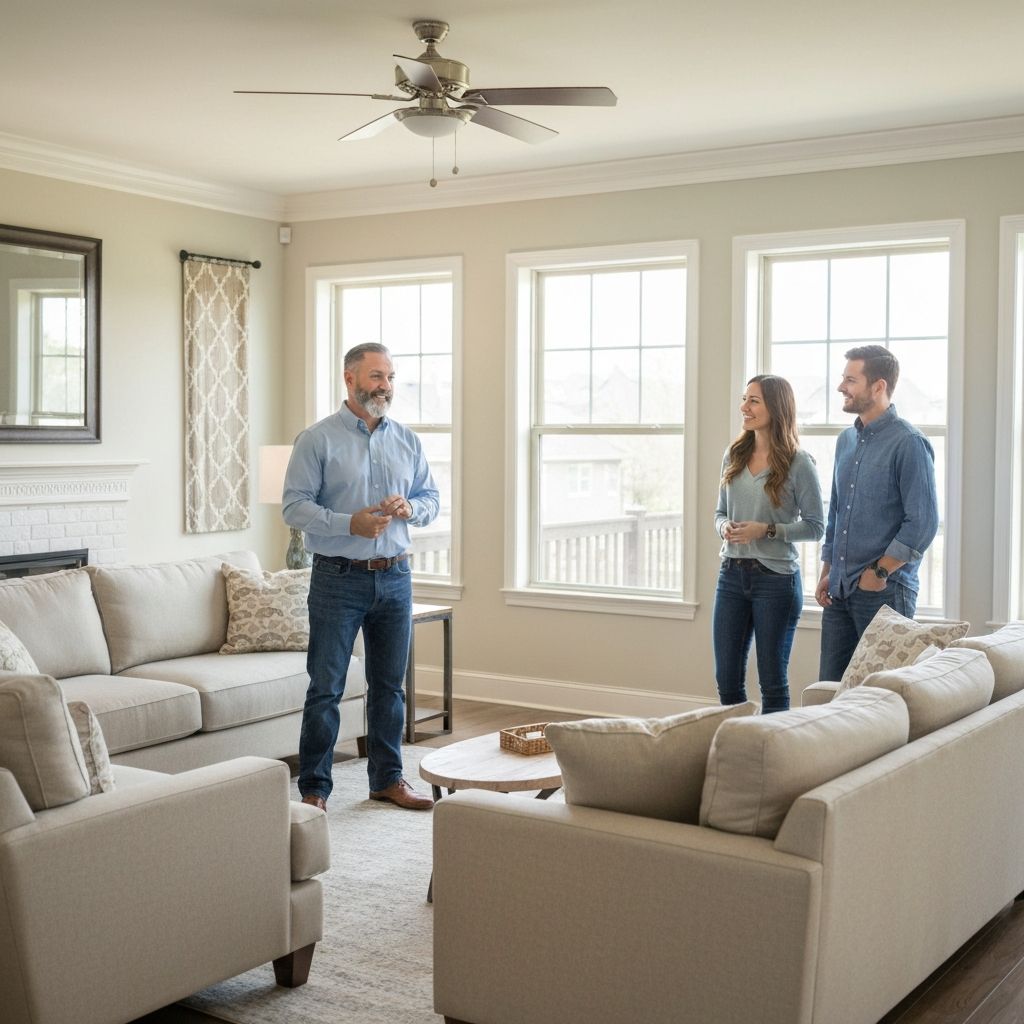
Real Estate Office
Availability and pricing, mostly on evenings and weekends